Air Source Heat Pump Installation in Cambridge
A guide to having an air source heat pump fitted in Cambridge or a nearby village: how the system copes with frosty winters, what the process involves, typical prices, and the local planning and water points to plan for.
Last reviewed: 2 October 2026

-
Designed for frost
Cambridge records around 52 air-frost days a year, so accurate sizing matters.
-
£2,500–£8,500 after grant
the range across our four worked Cambridge examples.
-
Greater Cambridge planning
one shared planning service covers the city and South Cambridgeshire.
Heat pumps and the Cambridge climate
Cambridge is dry but frostier than most English cities. A heat pump keeps working well below freezing, with short defrost cycles on damp, frosty mornings. What it needs is to be sized for the local design temperature, with radiators large enough to run at around 45–50°C. Do that and it will keep the house warm on the coldest days at a lower running cost than gas.
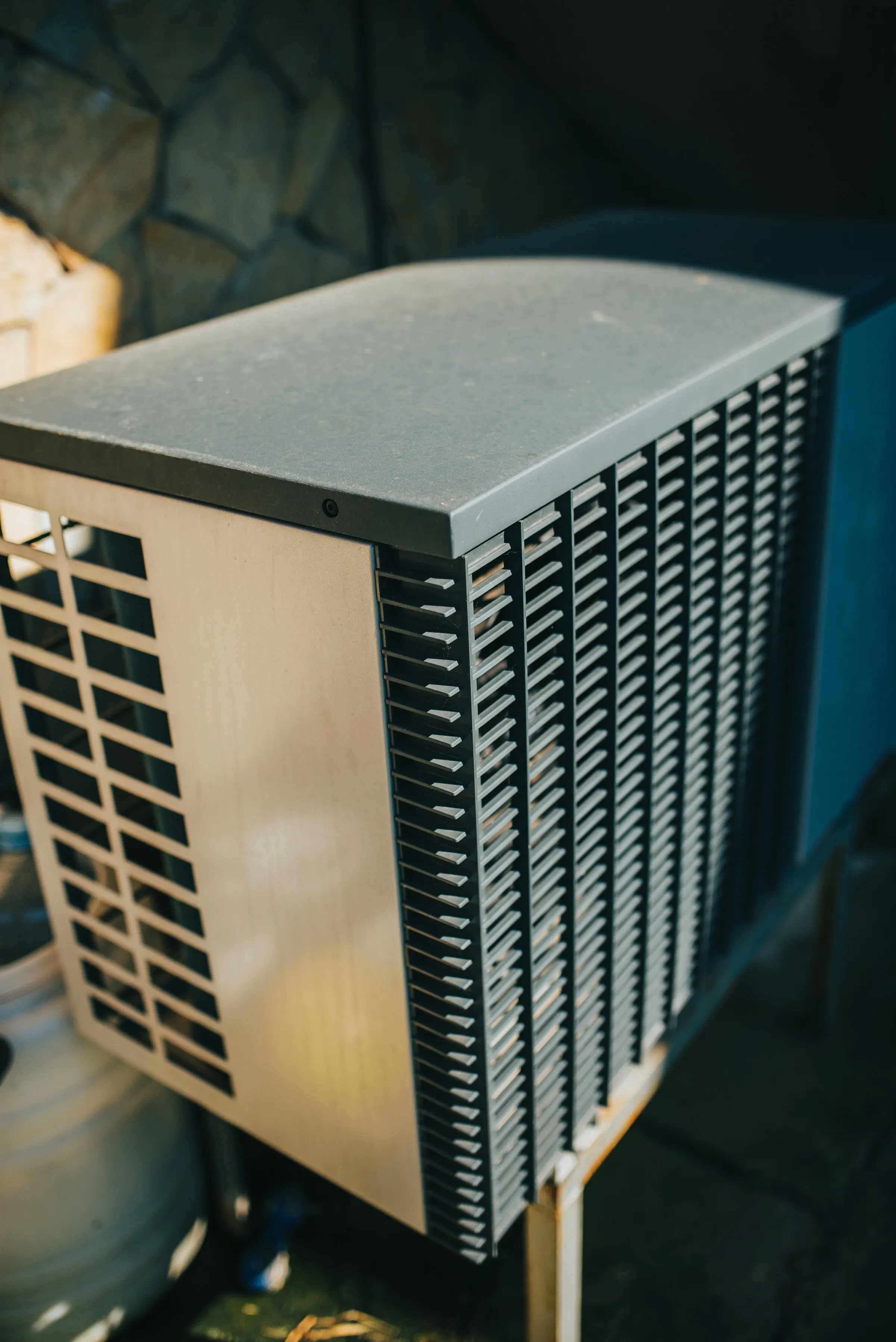
Installation in six stages
-
Survey
Room-by-room measurements, wall and window types, suspended floors, radiators, pipework, electrics and unit positions.
-
Design
Heat loss on the design day, unit size, radiator schedule, cylinder spec and noise calculation.
-
Planning check
Rear-yard units are usually permitted development. Listed buildings and front-facing units in the city's 18 conservation areas go to Greater Cambridge Shared Planning.
-
Grant
The installer applies to Ofgem for £7,500 (or £9,000 for oil and LPG homes); you confirm by email.
-
Fitting
Three to five days on site, with a slab or wall bracket outside and the cylinder, radiators and controls inside.
-
Handover
Commissioning, MCS registration, and a walk-through of the controls.
Our process guide covers all eight steps from enquiry to aftercare.
Typical prices
Most Cambridge homes come in at around £10,000–£13,000 before the grant, with large Victorian villas higher. After the £7,500 grant, our worked examples range from about £2,600 for a 1930s Chesterton semi to about £8,500 for a De Freville villa. See the four examples or the costs and grants summary.
Cambridge-specific planning points
- Hard chalk water. Cambridge Water runs at about 286–295 mg/l, so specify a heat pump-rated cylinder coil and consider a scale reducer.
- Small rear yards. Terraced homes often have only a yard for the unit, where the 37 dB noise limit decides the position.
- Defrost drainage. Site the unit so meltwater can't freeze on paths.
- Heritage. Listed homes need consent; conservation areas restrict front-facing units.
- Tenancies. Landlords should plan work between lets.
Choosing an installer
Look for MCS certification, consumer-code membership, a proper room-by-room survey and a written design using your local design temperature. Brands often fitted in Cambridge:
Use our vetting checklist before you sign.
- Mitsubishi Electric Ecodan
- Daikin Altherma
- Vaillant aroTHERM
- Grant Aerona
- Samsung EHS
- LG Therma V
Common installation questions
Will a heat pump cope with a Cambridge cold snap?
Yes, if it's sized for the local design temperature. Modern units work to −15°C or lower and are standard in much colder countries.
Do I need to insulate first?
Not necessarily. Draught-proofing and loft insulation are cheap and help; solid-wall insulation isn't required.
Is my listed home eligible?
Yes, for the grant. You'll need listed building consent for the outdoor unit and external work.
How disruptive is installation?
Expect three to five days of work, with heating and hot water off for parts of it. Floors are protected, and pipe routes are agreed in advance.
Can a landlord install a heat pump in a rented house?
Yes. Private landlords are eligible for the grant, and installation is easiest between tenancies.
What about air-to-air heat pumps?
They blow warm air rather than heating radiators, don't provide hot water, and earn a £2,500 grant. They can suit small flats.
Request a heat pump installation quote in Cambridge
Tell us about your home and its heating. A local heat pump installer from our network will be in touch to arrange a survey.